
THE DOCUMENTATION PLATFORM · VITALS
Vitals that understand themselves the moment they're spoken.
Spoken vitals are parsed, validated, and charted in real time. Trend lines update before the next bed.
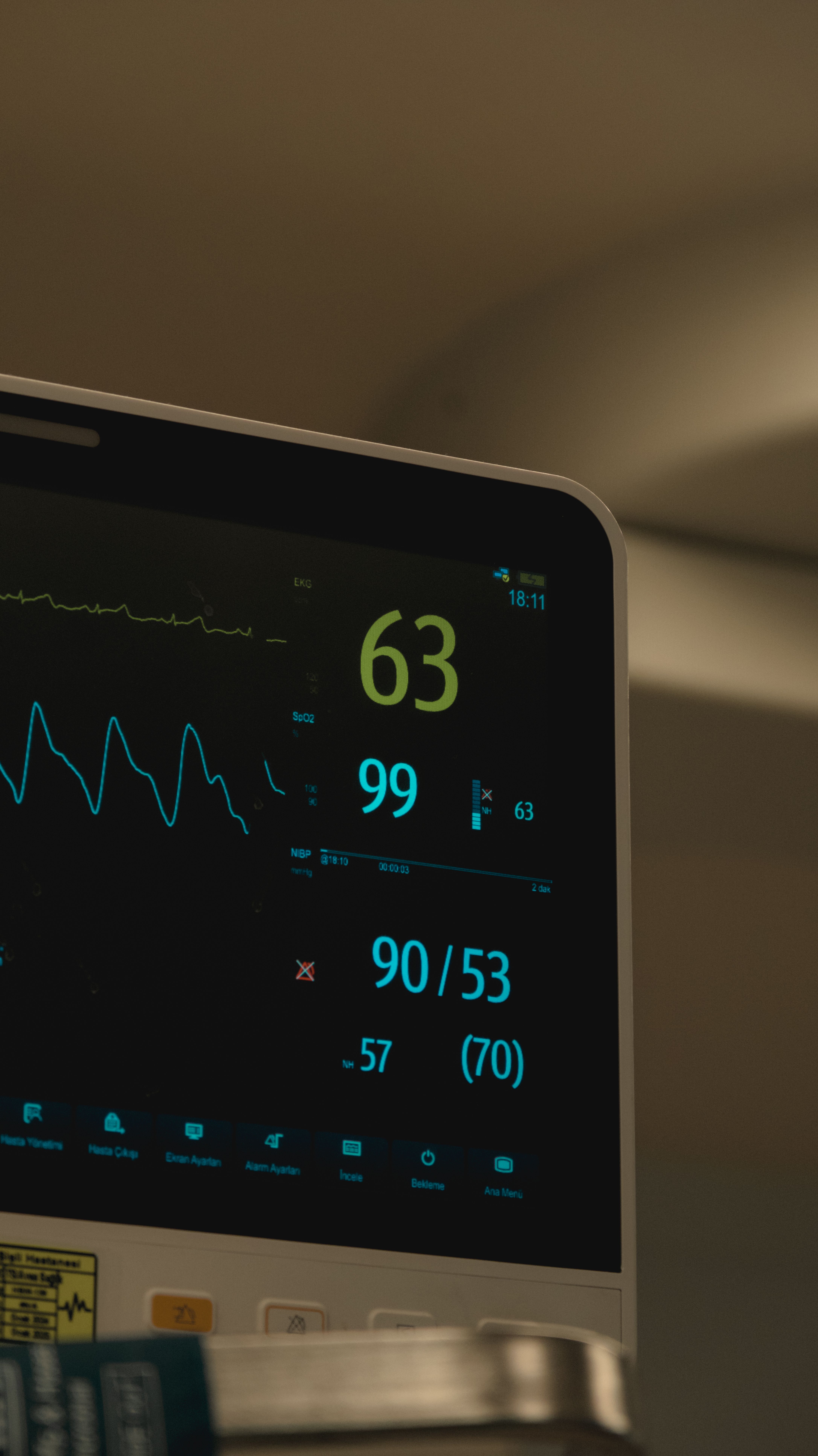
Vitals · Bed 4 · 08:14
- · BP 128/82 · HR 88 · SpO₂ 97%
- · Temp 99.1°F · RR 18
- · Validation: within ward thresholds
- · Trend: HR ↑ from 76 (12h)
How it works
Capture. Structure. Deliver.
01 · Capture
The nurse speaks the vitals.
BP, pulse, temperature, oxygen saturation, respiratory rate - as they take them. No clipboards.
02 · Structure
Parsed and validated live.
Each value is parsed and validated against the patient’s normal range. Anomalies are flagged. The trend line updates instantly.
03 · Deliver
On the chart, on the trend.
The vitals are in the patient’s chart before the nurse moves to the next bed. No clipboard, no later transcription.

Before / After
Vitals charting and validation.
Per round per bed. Includes anomaly flagging against personalised thresholds.
Live trend
A 24-hour trend, charted as the nurse speaks.
BP (systolic) and heart rate over the last shift. The most recent reading is annotated; anomalies surface against personalised thresholds, not population averages.
What it looks like
Vitals on the chart, the trend, the alert.
- PatientIP-3320 · Bed 4 · 08:14:02
- BP128/82 mmHg · within personalised threshold
- Heart rate88 bpm · ↑ from 76 (12h trend)
- SpO₂97% on room air
- Temp99.1°F · borderline
- RR18
- Pain2/10 (NRS)
Illustrative interface · configurable per hospital.
Integrations & compliance
Three hundred entries a day
“In a 50-bed ward, vitals are recorded six times a day. That is 300 entries. With Axone, those 300 entries take 20 minutes total, not three hours.”